Water Damage Repair of North Carolina
In North Carolina’s humid subtropical climate, with 45-85 inches of annual rainfall, hurricanes along the coast, and winter ice storms in the Piedmont, water damage can strike suddenly. Water Damage Repair of North Carolina specializes in swift, expert restoration tailored to our unique weather challenges—protecting your home when it matters most.
Promptly Restoring North Carolina Homes and Businesses After Water Damage...
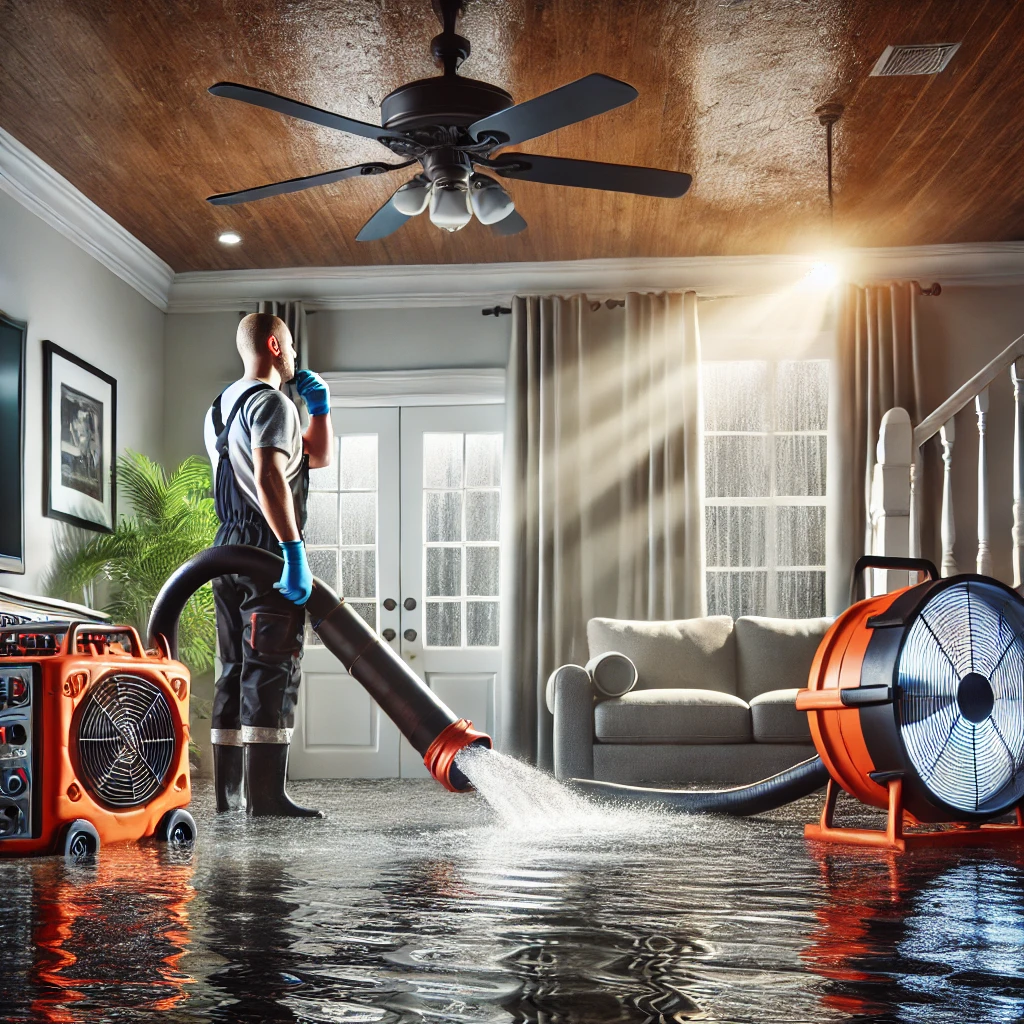
Water damage emergencies in North Carolina demand immediate and expert response, given the state’s diverse climate and geographic features. From the humid subtropical conditions of the Piedmont to the hurricane-prone Outer Banks and the snowmelt from the Blue Ridge Mountains, water intrusion can occur unexpectedly and cause extensive damage. Whether caused by heavy rains, hurricane surges, or mountain runoff, rapid intervention is essential to prevent long-lasting structural issues, mold growth, and property deterioration. Our team at Water Damage Repair of North Carolina is committed to promptly restoring homes and businesses with tailored solutions suited to every regional environment.
North Carolina’s distinctive architecture reflects its varied landscape, including coastal stilted homes built to withstand storm surges, historic Wilmington buildings vulnerable to flooding, and mountain timber structures exposed to snowmelt and heavy rains. Each of these structures presents unique challenges during water damage restoration. We understand the importance of working quickly to mitigate damage, especially in coastal areas where hurricanes can cause rapid flooding, or in the Piedmont, where heavy rainfalls often lead to basement flooding and structural seepage. Our experienced technicians are equipped to handle these specific conditions efficiently and effectively.
In the coastal regions like the Outer Banks, hurricanes and tropical storms are a seasonal threat, bringing intense flooding and wind-driven water into homes and businesses. Water intrusion can compromise the foundation, weaken the structural integrity, and lead to mold if not addressed promptly. Meanwhile, in the mountainous Blue Ridge, winter snowmelt combined with spring rains can cause water to seep into basements and crawl spaces, creating hidden hazards. Recognizing these regional risks allows us to deploy targeted water extraction and drying methods that minimize damage and restore safety quickly.
In the Piedmont, where brick colonial and modern commercial buildings are common, water intrusion often results from plumbing failures or heavy rain infiltration through poorly sealed windows and roofs. Our team specializes in rapid water extraction, drying, and mold prevention to ensure the integrity of these structures. We also understand the importance of working swiftly to protect historic buildings in Wilmington, where water damage can threaten irreplaceable architectural details. Our comprehensive restoration process is designed to preserve these landmarks while returning properties to their pre-damage condition efficiently.
North Carolina’s climate and geography make water damage restoration a complex process that requires local expertise. From the barrier islands of the Outer Banks to the urban centers of Charlotte and Raleigh, each environment presents specific challenges. Coastal areas demand flood-proofing and moisture control, while mountain regions require solutions for snowmelt and runoff. Our team is experienced in navigating these regional conditions and applying the most effective, environmentally responsible restoration techniques to safeguard your property and ensure a quick recovery.
At Water Damage Repair of North Carolina, our priority is promptly restoring your home or business with minimal disruption. We combine advanced moisture detection, efficient water removal, and thorough drying with mold prevention strategies tailored to North Carolina’s specific conditions. Our local knowledge and rapid response help reduce repair costs, prevent secondary damage, and restore your property’s safety and value. No matter the size or scope of the water damage, our experienced team is dedicated to providing fast, reliable service rooted in regional expertise and professional integrity.
Our Restoration Solutions
Thorough Water Damage Evaluation and Tailored Recovery Plans...
At Water Damage Repair of North Carolina, our commitment to thorough water damage evaluation and tailored recovery plans ensures that each property receives the personalized attention it deserves. Given North Carolina’s diverse climate and geography, including the humid subtropical conditions of the Piedmont, the hurricane-prone Outer Banks, and the snowmelt in the Blue Ridge Mountains, a meticulous assessment is vital. Our team leverages advanced diagnostic tools to identify the full extent of water intrusion, including hidden moisture behind walls and beneath flooring, which can vary significantly based on local building types and environmental factors. This comprehensive approach helps prevent future issues like mold growth and structural deterioration.
North Carolina’s unique coastal, mountain, and piedmont regions each pose specific challenges for water damage restoration. Coastal areas like Wilmington and the Outer Banks face frequent hurricane storms and high humidity that accelerate water intrusion and damage. Mountain communities experience snowmelt combined with heavy rains, leading to potential flooding and water seepage into timber-frame structures. The Piedmont’s brick colonial homes are susceptible to groundwater intrusion and foundation issues during heavy rains. Our evaluation process considers these regional conditions, ensuring each assessment accurately reflects the local climate impacts on your property.
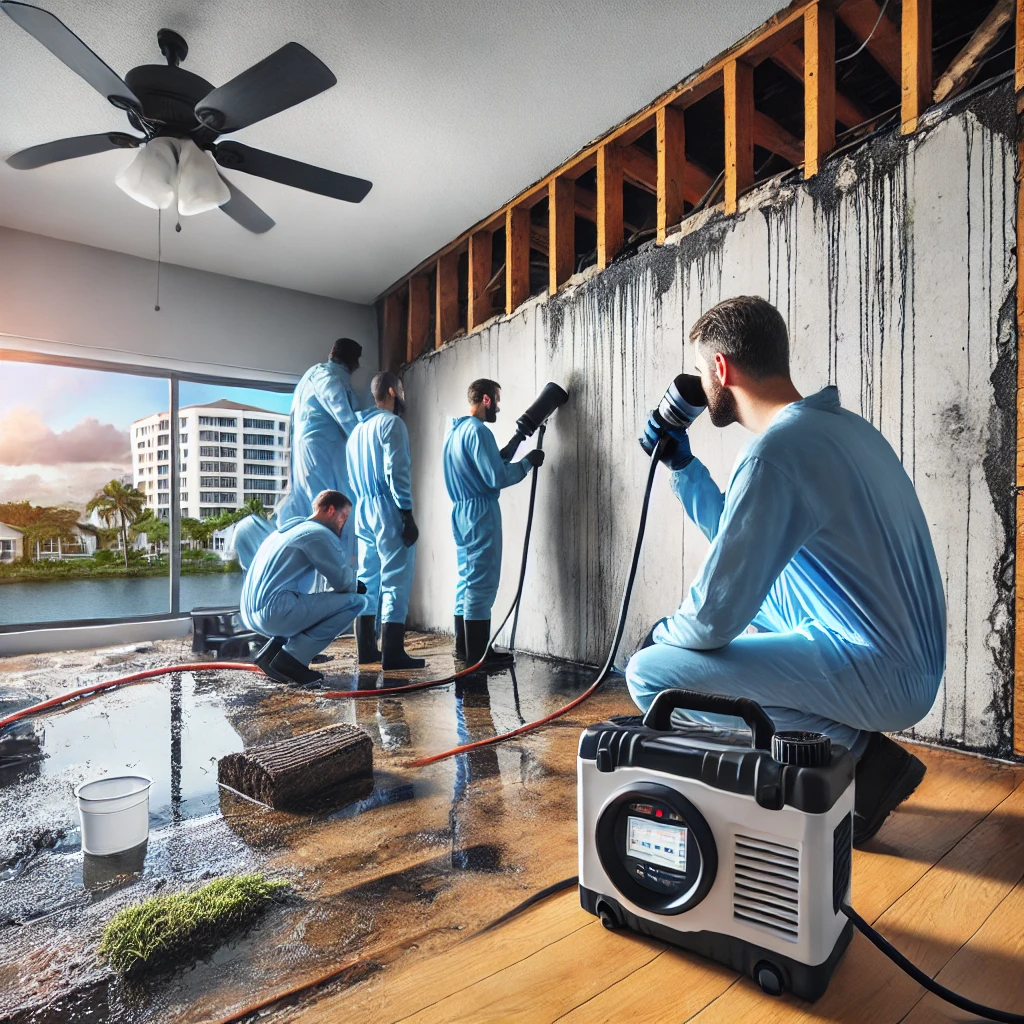
Our experienced technicians utilize state-of-the-art moisture meters, thermal imaging, and hygrometers to detect moisture levels that are often invisible to the naked eye. We pay close attention to the specific construction styles common in North Carolina, such as coastal stilts that elevate homes above flood zones, historic Wilmington buildings with unique materials, and mountain timber structures that require specialized care. Identifying moisture hotspots early allows us to develop a customized recovery plan that effectively addresses the particular vulnerabilities of your property, minimizing the risk of secondary damages like mold or structural decay.
Each water damage assessment we conduct is comprehensive and detailed, considering the local weather patterns, seasonal variations, and geographic features. For example, in the Blue Ridge Mountains, rapid snowmelt can cause unexpected water intrusion, while in the low-lying Cape Fear basin, heavy rains can lead to persistent flooding. Our team evaluates these factors to anticipate potential problem areas and prioritize remediation efforts accordingly. This tailored approach ensures that no aspect of water damage is overlooked, providing peace of mind and effective restoration in the long term.
Following our evaluation, we develop a personalized recovery plan designed specifically for your North Carolina property. This plan includes strategic drying, water extraction, mold prevention, and structural drying techniques suited to your building’s construction type and environmental exposures. We also incorporate measures to address regional concerns such as hurricane resilience for coastal homes or moisture control for mountain dwellings. Our goal is to restore your property to its pre-damage condition efficiently, while safeguarding against future water-related issues.
At Water Damage Repair of North Carolina, our dedication to thorough evaluation and customized recovery plans reflects our understanding of the state’s diverse landscape and climate. By combining expert assessment with tailored remediation strategies, we ensure that your home or business is protected against the unique water damage challenges posed by North Carolina’s environment. Our meticulous process guarantees comprehensive care, helping you recover quickly and confidently from water damage incidents, no matter where you are located in the state.
Areas We Serve
▼ North Carolina Areas We Serve — Click to expand
Asheville Water Damage Restoration
Burlington Water Damage Restoration
Chapel Hill Water Damage Restoration
Charlotte Water Damage Restoration
Concord Water Damage Restoration
Durham Water Damage Restoration
Fayetteville Water Damage Restoration
Gastonia Water Damage Restoration
Goldsboro Water Damage Restoration
Greensboro Water Damage Restoration
Greenville Water Damage Restoration
Havelock Water Damage Restoration
Hickory Water Damage Restoration
High Point Water Damage Restoration
Huntersville Water Damage Restoration
Indian Trail Water Damage Restoration
Jacksonville Water Damage Restoration
Lumberton Water Damage Restoration
New Bern Water Damage Restoration
Raleigh Water Damage Restoration
Rocky Mount Water Damage Restoration
Salisbury Water Damage Restoration
Sanford Water Damage Restoration
Shelby Water Damage Restoration
Statesville Water Damage Restoration
Wake Forest Water Damage Restoration
Wilmington Water Damage Restoration
Wilson Water Damage Restoration
Winston-Salem Water Damage Restoration
Recent Articles
Burst Pipe Water Damage and Plumbing Leak Repair in Sanford, NC
Burst Pipe Water Damage and Plumbing Leak Repair in Sanford, NC 📋 Quick Answer Burst pipe water damage in Sanford, NC requires immediate action to prevent structural harm and mold growth. Professional plumbing leak repair combined with prompt water damage restoration ensures effective mitigation and restoration of affected areas. Contact certified local specialists to quickly address leaks and minimize long-term damage. When a Burst Pipe Floods Your Sanford Home or Business Sudden water flooding from a burst pipe or hidden plumbing leak can throw your entire day into chaos. In Sanford, NC, aging pipes combined with seasonal temperature swings often cause unexpected plumbing failures. You might notice soggy floors, damp walls, or the unmistakable sound of running water when no taps are on. These signs usually mean water is escaping somewhere it shouldn’t, creating a serious water damage problem. What makes burst pipe water damage especially urgent is how fast...
Read More →
Prevent Water Damage in New Bern, NC: Seasonal Flooding Risks & Storm Preparation
Prevent Water Damage in New Bern, NC: Seasonal Flooding Risks & Storm Preparation 📋 Quick Answer To prevent water damage in New Bern, NC, homeowners should proactively address seasonal flooding risks by installing sump pumps, sealing foundation cracks, and maintaining clear drainage systems. Preparing for storms with emergency kits, elevating valuables, and reinforcing windows reduces potential damage and ensures safety. Regular inspection and timely maintenance are essential to mitigate flood-related water damage effectively. Understanding the Urgency: Why Water Damage Is a Serious Concern in New Bern If you live or own a business in New Bern, NC, you know how quickly water can become your worst enemy. The area’s proximity to the Neuse River and the Pamlico Sound puts homes and commercial properties at risk for flooding, especially during hurricane season and heavy rain events. Water damage isn’t just about wet floors—soaked building materials can weaken foundations, damage electrical systems,...
Read More →
Mold After Water Damage: Mold Remediation and Prevention in Havelock, NC
Mold After Water Damage: Mold Remediation and Prevention in Havelock, NC 📋 Quick Answer Mold after water damage in Havelock, NC requires prompt mold remediation involving thorough drying, mold removal, and air quality restoration to prevent health risks and structural damage. Effective prevention includes fixing leaks, maintaining low indoor humidity, and regular inspections to stop mold regrowth. Professional water damage restoration services ensure comprehensive mold control and long-term protection. Facing Mold Growth After Water Damage? Here’s What You’re Up Against Water damage in your home or business is stressful enough. But what happens when the water settles and mold starts to grow? Mold after water damage is a common, serious problem in Havelock, NC, especially after flooding or leaks. Mold spores thrive in damp environments, and if not treated quickly, they can spread behind walls, under floors, and inside insulation. This leads to structural damage and health risks for your...
Read More →Client Experiences
North Carolina Water Damage FAQs…
At Water Damage Repair of North Carolina, we understand that property owners across the Tar Heel State face unique challenges—from the Outer Banks’ hurricane threats and the Blue Ridge Parkway’s weather to the flooding history of Asheville’s river valley. Whether you’re in Charlotte, Raleigh, or Asheville, our team is here to help. Explore our FAQ to find answers to common questions about restoring your home after water damage in North Carolina’s diverse climate.
What should I do immediately after discovering water damage in North Carolina?
In North Carolina, promptly turn off electricity and water sources, document the damage, and contact professional water damage repair services familiar with local regulations like the NC Building Code and CAMA. Quick action helps prevent mold growth and complies with state guidelines, especially after hurricanes or flash floods common in coastal and mountainous regions.
How quickly should I respond to water damage in North Carolina, and why?
Respond within 24-48 hours to prevent mold growth and structural deterioration, especially given North Carolina’s humid climate and high rainfall, which can accelerate damage. Prompt action ensures compliance with local regulations and minimizes long-term costs associated with hurricane, flood, or ice storm damage.
What are the common causes of water damage in North Carolina?
North Carolina frequently experiences water damage caused by hurricanes, slow-moving tropical systems, mountain flash floods, nor’easters, and ice dams. Coastal areas face hurricane impacts, while mountainous regions suffer from ice storms and flash floods, making these the most common causes of water-related issues in the state.
How can I prevent mold growth after water damage in North Carolina?
To prevent mold, dry affected areas quickly, use dehumidifiers, and ensure proper ventilation. In North Carolina’s humid subtropical climate, especially after hurricanes or storms, timely cleanup and adherence to mold prevention guidelines are essential to avoid health risks and comply with state regulations.
Call Water Damage Repair of North Carolina for a free estimate today!
Act quickly to prevent water damage from North Carolina’s humid climate—call now for fast, reliable restoration services today!